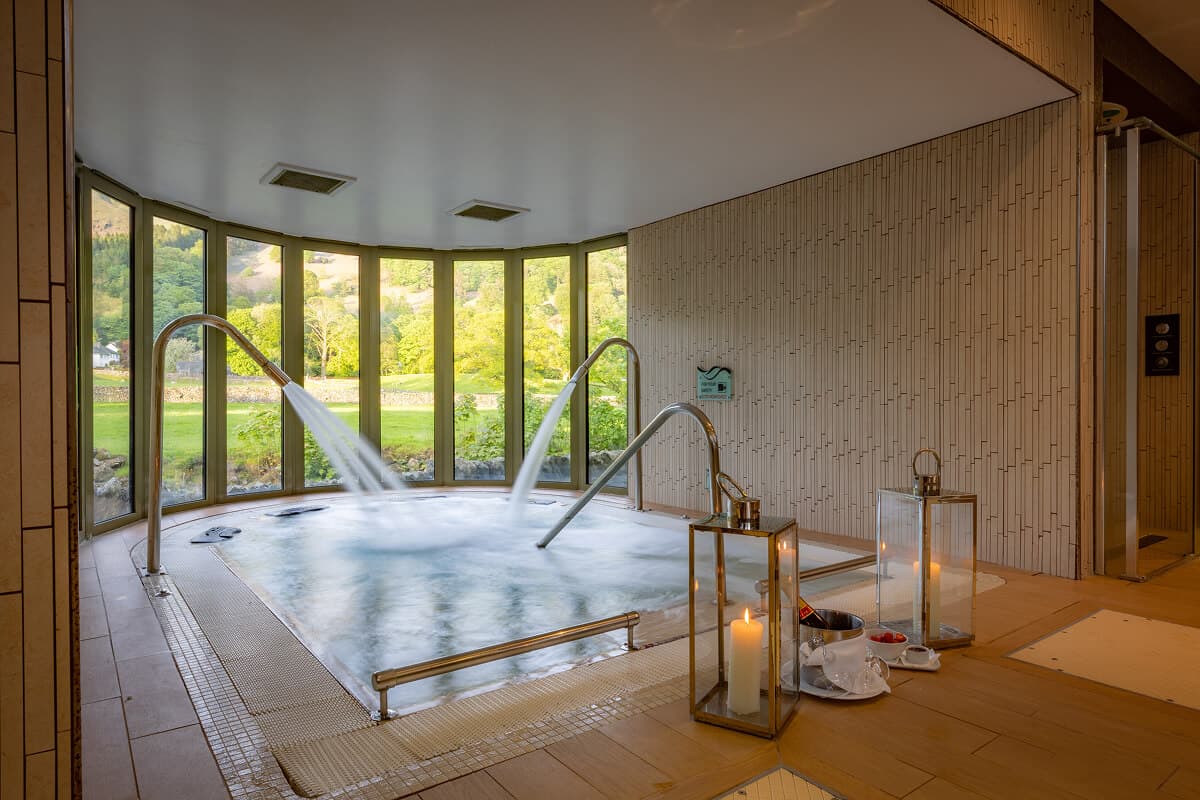
A hydrotherapy pool is not a swimming pool and it is not a hot tub. It is a purpose-built pool with positioned water jets designed to deliver targeted hydromassage to specific muscle groups while you are submerged. The combination of heat, buoyancy, and water pressure produces physiological effects that neither a regular pool nor a hot tub can replicate at the same intensity.
What a Hydrotherapy Pool Actually Does
Three mechanisms work together during a session. The first is heat. Water at 34-38°C causes your blood vessels to dilate, increasing blood flow to muscles and connective tissue. This accelerates the delivery of oxygen and nutrients while clearing metabolic waste, which is why heat therapy reduces muscle soreness more effectively than passive rest.
The second mechanism is buoyancy. Chest-deep water reduces the effective weight your joints carry by around 80 per cent. A person weighing 75kg exerts roughly 15kg of load on their joints while submerged to the chest. This reduction allows muscles surrounding joints to release tension they hold throughout the day simply to stabilise your skeleton against gravity. The relief is immediate and does not require effort from you.
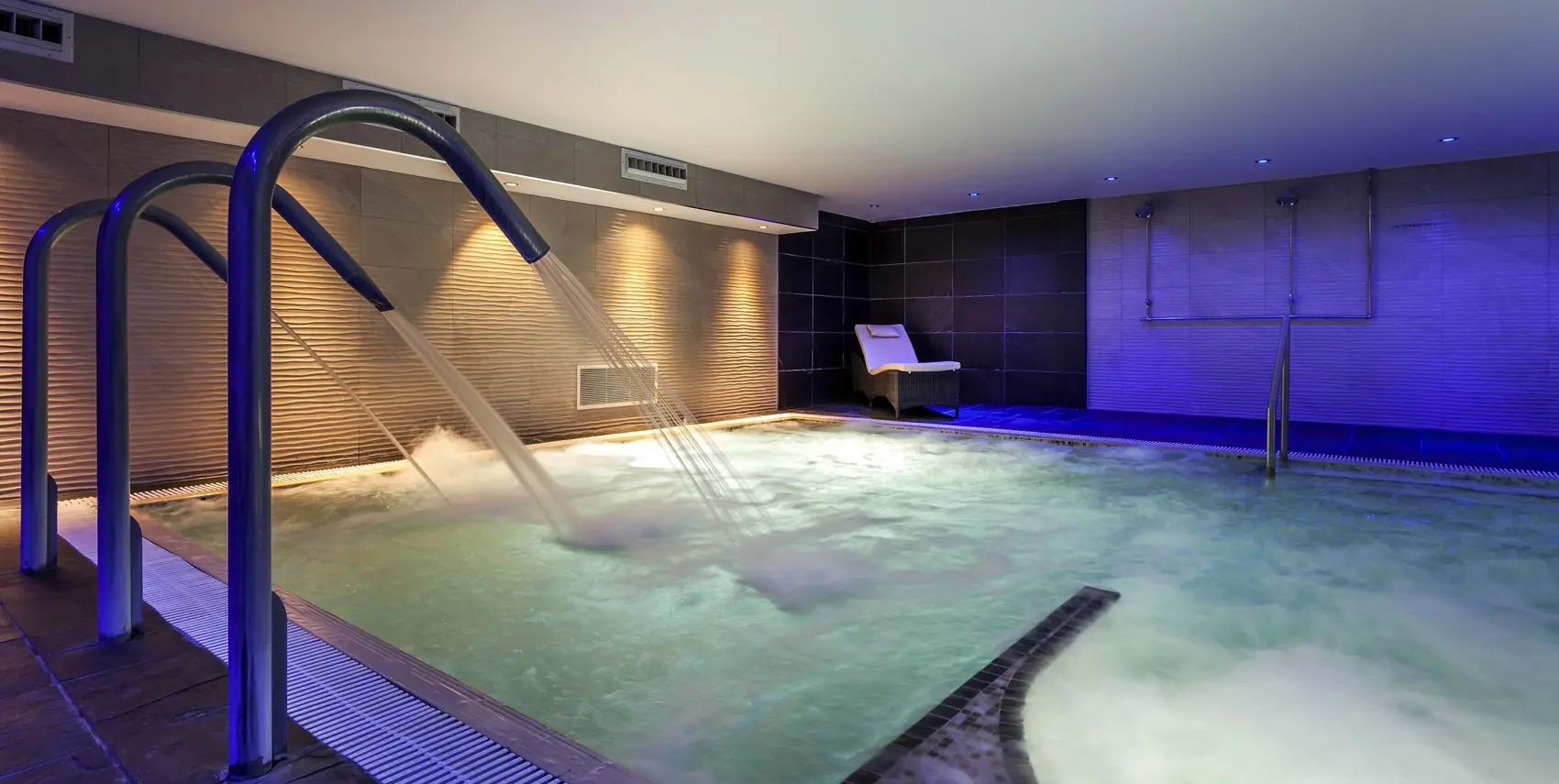
The third mechanism is hydrostatic pressure from the jets themselves. Jets direct high-pressure water at specific muscle groups: the upper back and shoulders, lower back and glutes, and feet. The pressure penetrates into the muscle tissue rather than just the surface, producing a kneading effect that manual massage mimics. Sustained jet pressure on the trapezius muscles, for example, releases tension accumulated from desk posture or carrying a rucksack on the fells.
What a Session Feels Like
Most people spend 15 to 25 minutes in a hydrotherapy pool, moving through different positions to target different areas. You start standing or seated against one set of jets, remain there for two to three minutes until the muscles relax, then move to the next position. The heat means your muscles release faster than they would under cold or neutral conditions.
At Daffodil Hotel Spa in Grasmere, the pool runs 33 feet and uses cascade water features to create multiple levels of hydromassage across its length. The cascade design means the intensity and direction of pressure changes as you move through the pool, so different sessions feel different depending on where you position yourself.
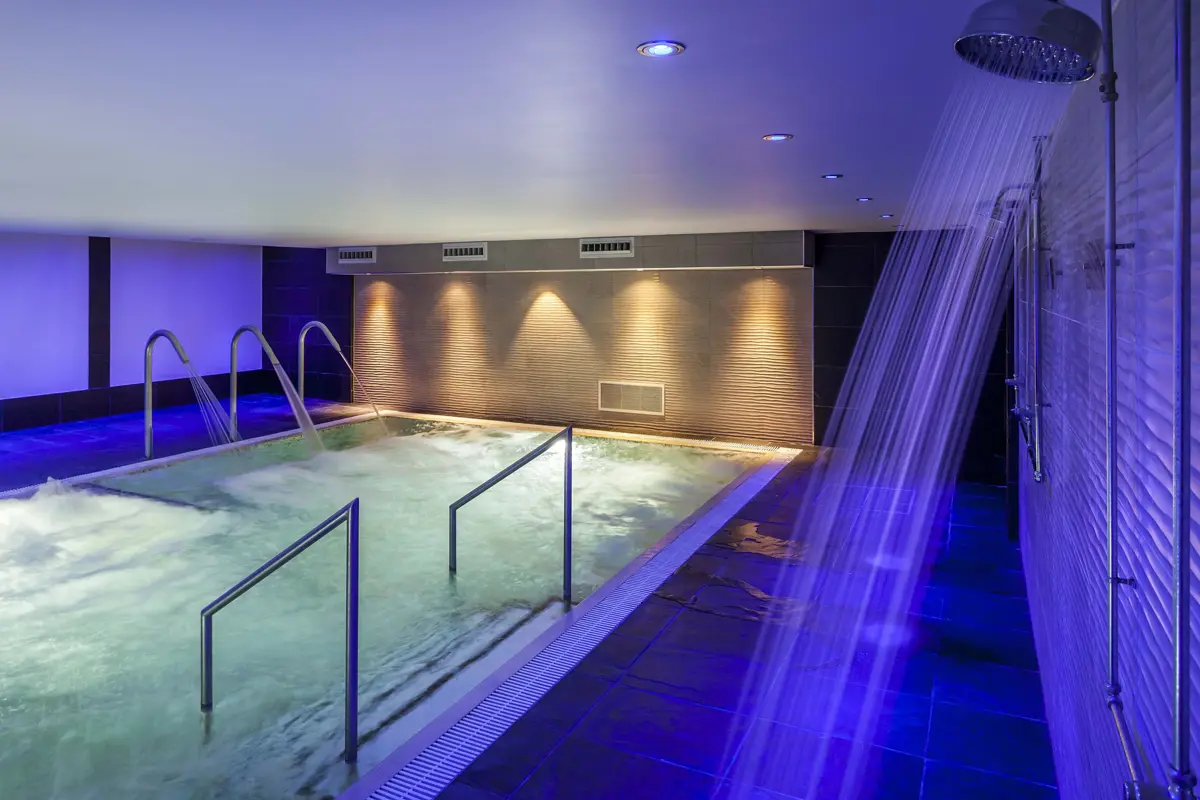
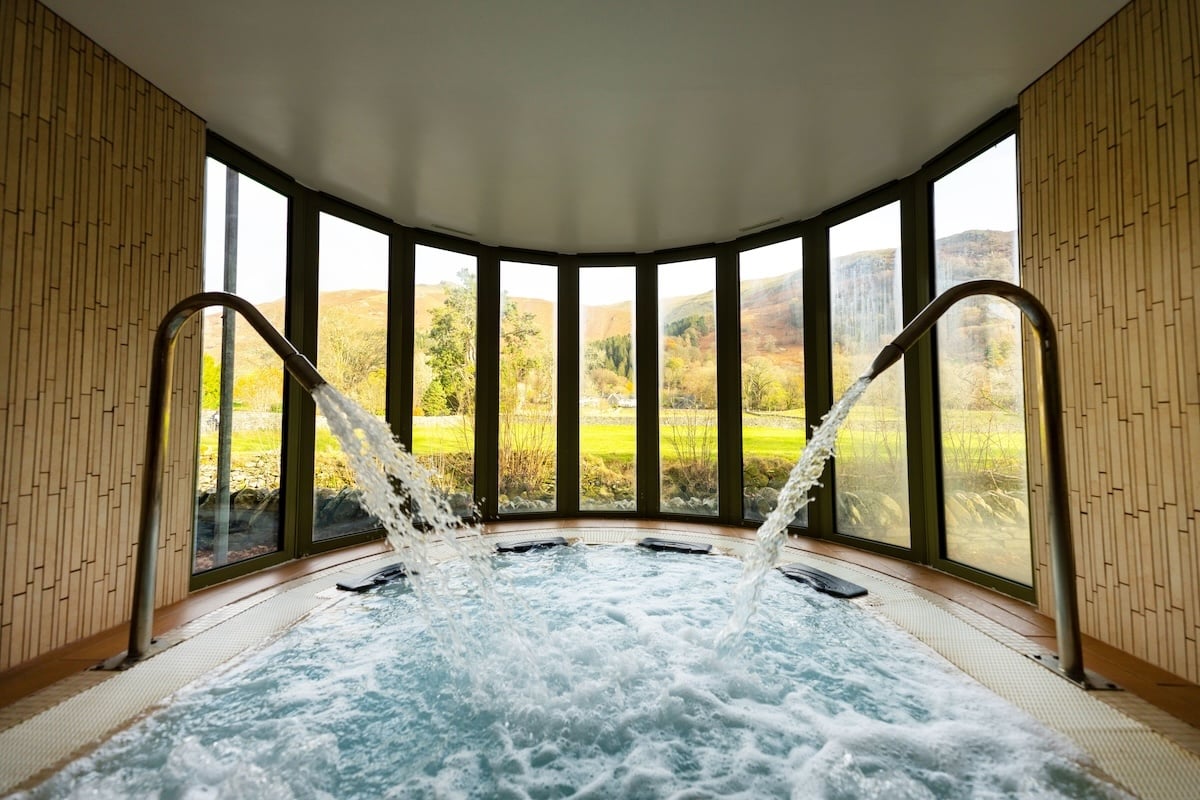
Rothay Garden Riverside Spa, 400 metres away in the same village, takes a different approach with its HydroSpa. Sunken loungers position your body at the correct angle for jet contact without requiring you to hold yourself upright. The floor-to-ceiling windows face the river and the fells beyond, so you have something to look at rather than a tiled wall.
Hydrotherapy as Part of a Thermal Circuit
A hydrotherapy pool delivers stronger results when used as part of a wider thermal circuit rather than in isolation. The standard sequence is heat, pool, rest. Sauna or steam heat dilates blood vessels and softens muscle tension before you enter the water. The pool then delivers targeted pressure while your muscles are already receptive. Rest afterwards lets your body consolidate the response.
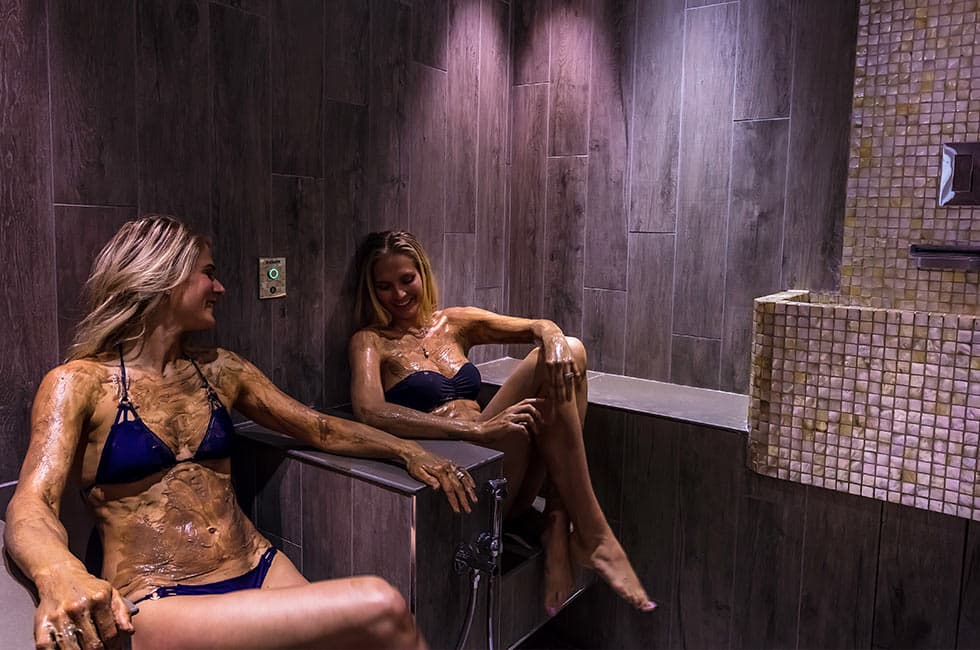
The Daffodil has a full thermal suite alongside its pool: a Finnish sauna, steam room, tepidarium, and a rasul mud chamber where you apply mineral-rich mud in a tiled room designed for the experience. The tepidarium uses gentler radiant heat than the sauna, making it a useful starting point before moving to higher temperatures, or a place to rest between circuits.
Rothay Garden's thermal offering includes a herbal pine sauna, an aromatherapy steam room, monsoon experience showers, and infrared heated loungers. The infrared loungers are worth noting specifically. Infrared heat works by penetrating directly into muscle tissue rather than heating the surrounding air as a sauna does. The penetration depth is greater, which makes infrared particularly effective for deep muscle tension. Using infrared loungers after a session in the HydroSpa extends the muscle relaxation rather than simply maintaining it.
Who Hydrotherapy Pools Suit
- People who carry persistent tension in the upper back and shoulders
- Anyone with joint stiffness who finds exercise uncomfortable
- Fell walkers recovering from a long day on the paths
- People who find steam rooms or treatment rooms too enclosed or intense
- First-time spa visitors who want a clear physical benefit without a complicated itinerary
Visiting as a Non-Resident
The two spas operate differently for visitors not staying overnight. The Daffodil has public day passes available, with sessions running from 8am to 8pm daily. Day pass bookings go through the spa team directly. Rothay Garden is hotel guests only and does not offer public day passes.
Both spas sit in Grasmere village, 400 metres apart. If you are not staying overnight and want access to a hydrotherapy pool, Daffodil Hotel Spa is your option. Day pass prices start from £35 on weekdays. If you are staying at Rothay Garden, Rothay Garden Riverside Spa is included with your room at no extra cost.