Both massages appear on Lake District spa menus regularly, and both are effective, but they work through different mechanisms and suit different physical conditions. Knowing the difference saves you from booking the wrong treatment.
How the Techniques Work
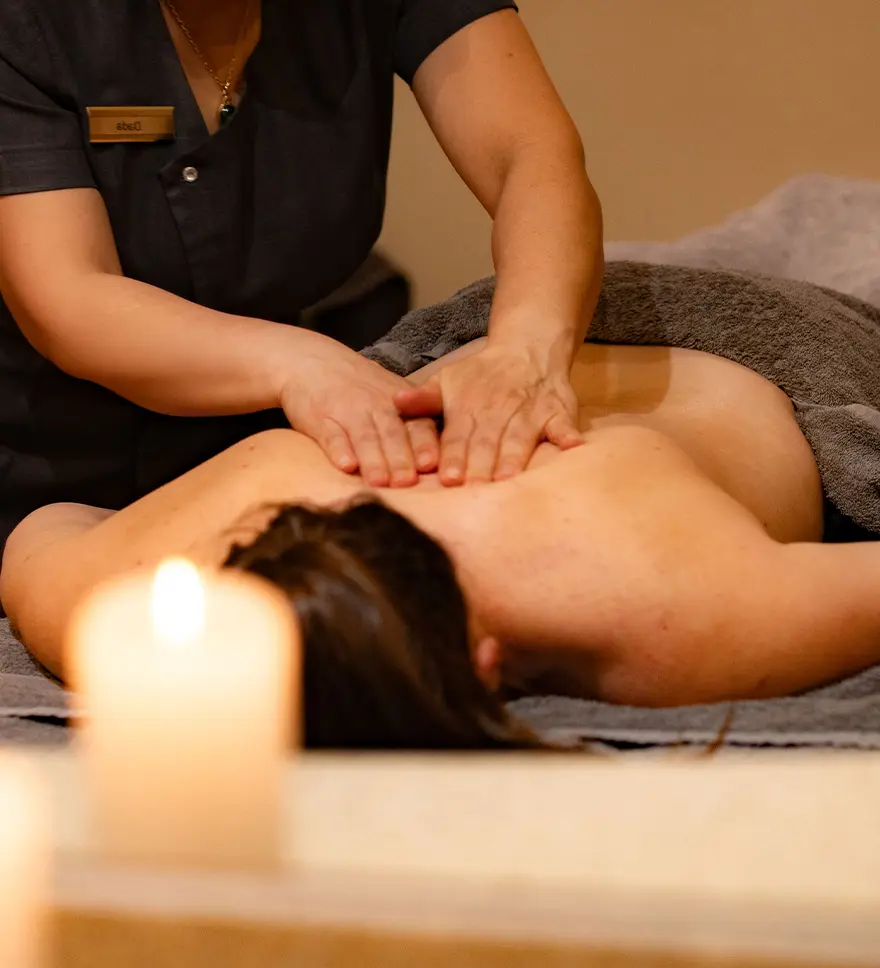
Swedish massage uses five core techniques: effleurage (long gliding strokes), petrissage (kneading), circular friction, tapotement (rhythmic percussion), and vibration. A therapist applies these with their hands, working systematically through the major muscle groups. The techniques stimulate blood flow, encourage lymphatic drainage, and signal the nervous system to shift from active to resting state. Pressure reaches the surface and mid-layers of muscle.
Hot stone massage incorporates basalt stones heated to between 40°C and 55°C. The therapist uses the stones as direct massage tools and places them on specific areas, typically along the spine, between the shoulders, and on the legs, while working elsewhere on the body. Heat transfers into muscle tissue at roughly 3 to 4 centimetres depth, compared to approximately 1 centimetre from manual hand pressure alone. This deeper thermal penetration causes muscle fibres to relax before the therapist applies pressure, allowing more thorough release with less mechanical force.
Who Each Suits
Swedish massage is the standard starting point for anyone new to professional massage. The pressure is predictable, the techniques are well understood, and a 60-minute session leaves most people relaxed without next-day soreness. It works well for general stress relief, improving circulation after long periods of sitting, and resetting muscle tone throughout the body.
Hot stone suits you better when you have specific areas of chronic tension, particularly in the neck, shoulders, or lower back. The pre-relaxing effect of heat means a therapist can reach deeper tissue without the aggressive pressure that sometimes makes deep tissue massage uncomfortable. It is also the more effective choice if you tend to feel cold, have sluggish circulation, or are recovering from a long walk. For anyone who has tried Swedish and found it pleasant but not quite sufficient, hot stone typically produces more lasting muscle relief.
Prices at Lakeside Hotel & Spa
Lakeside Hotel & Spa in Newby Bridge, on the southern shore of Lake Windermere, offers the 75 minutes Elemis Hot Stone Massage at £125. The treatment uses smooth volcanic stones with warm Frangipani-infused body oil. The 60 minutes Swedish Massage runs at £110.
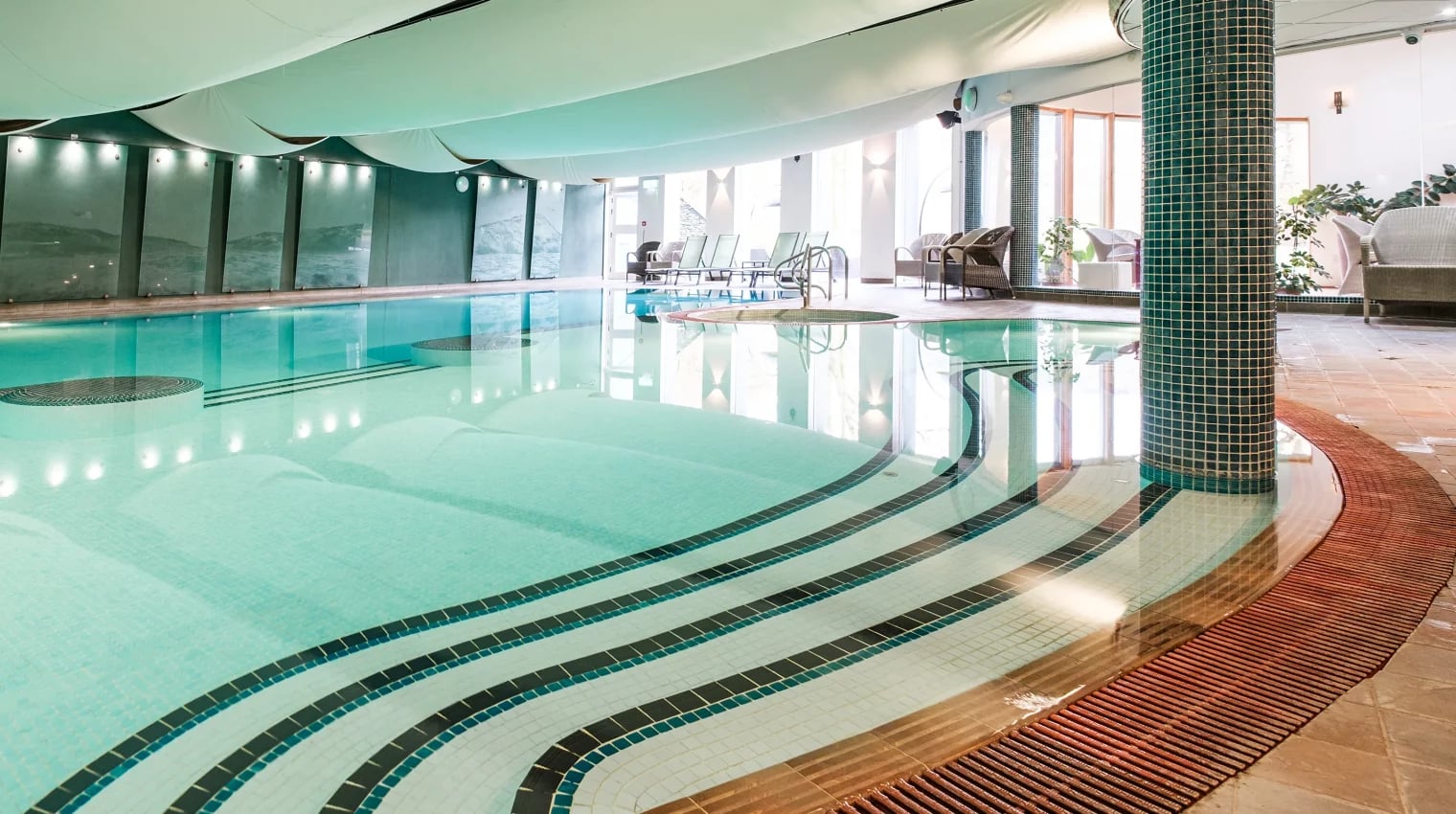
Hotel guests receive complimentary access to the 17-metre indoor pool, sauna, steam room, and poolside jacuzzi. Building in an hour of pool or thermal time before your massage helps muscles warm up and makes both Swedish and hot stone noticeably more effective.
Prices at Whitewater Hotel & Leisure Club
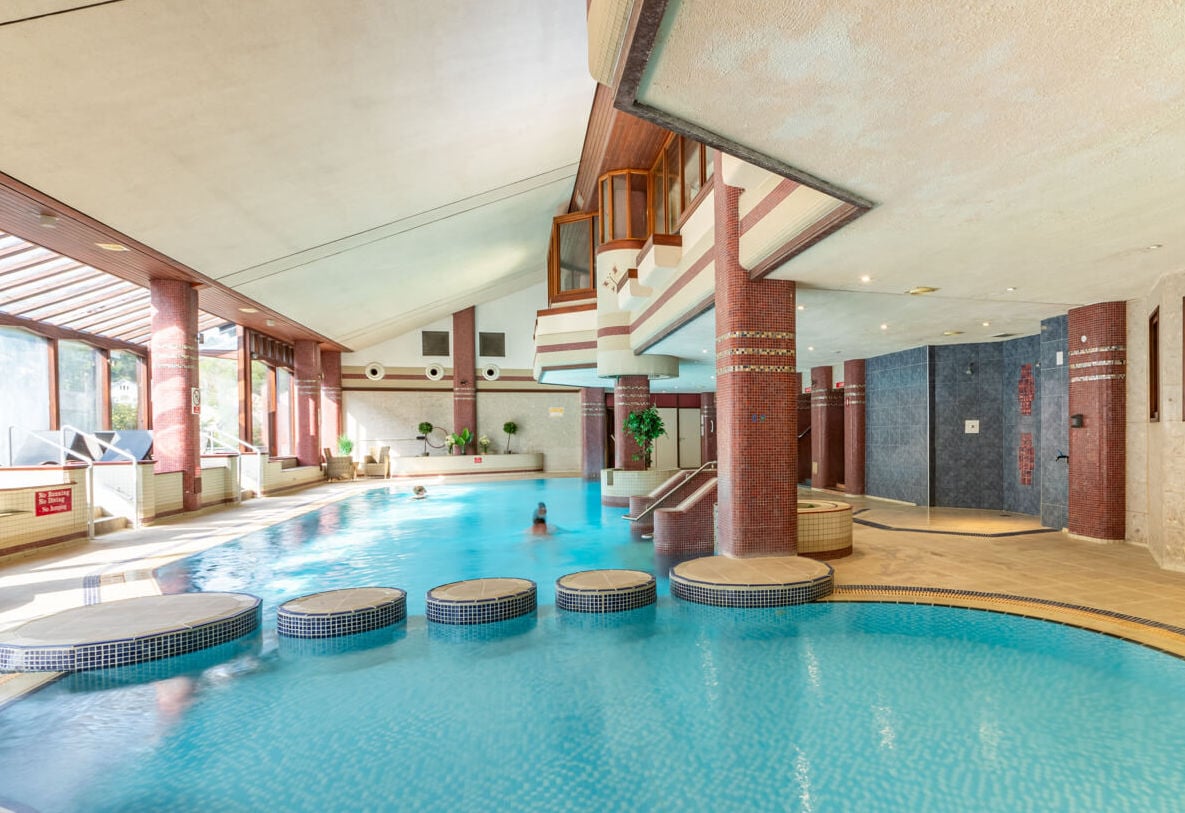
Whitewater Hotel & Leisure Club in Backbarrow sits on the banks of River Leven, one mile south of Lake Windermere. The 60 minutes Cascades Hot Stone Full Body Massage and the 60 minutes Full Body Swedish Massage are both priced at £75. At identical duration and price, hot stone delivers more physiological benefit through heat penetration, making it the stronger option here for most people unless warmth is a concern. Cascades pool access is included for all guests staying at the hotel.
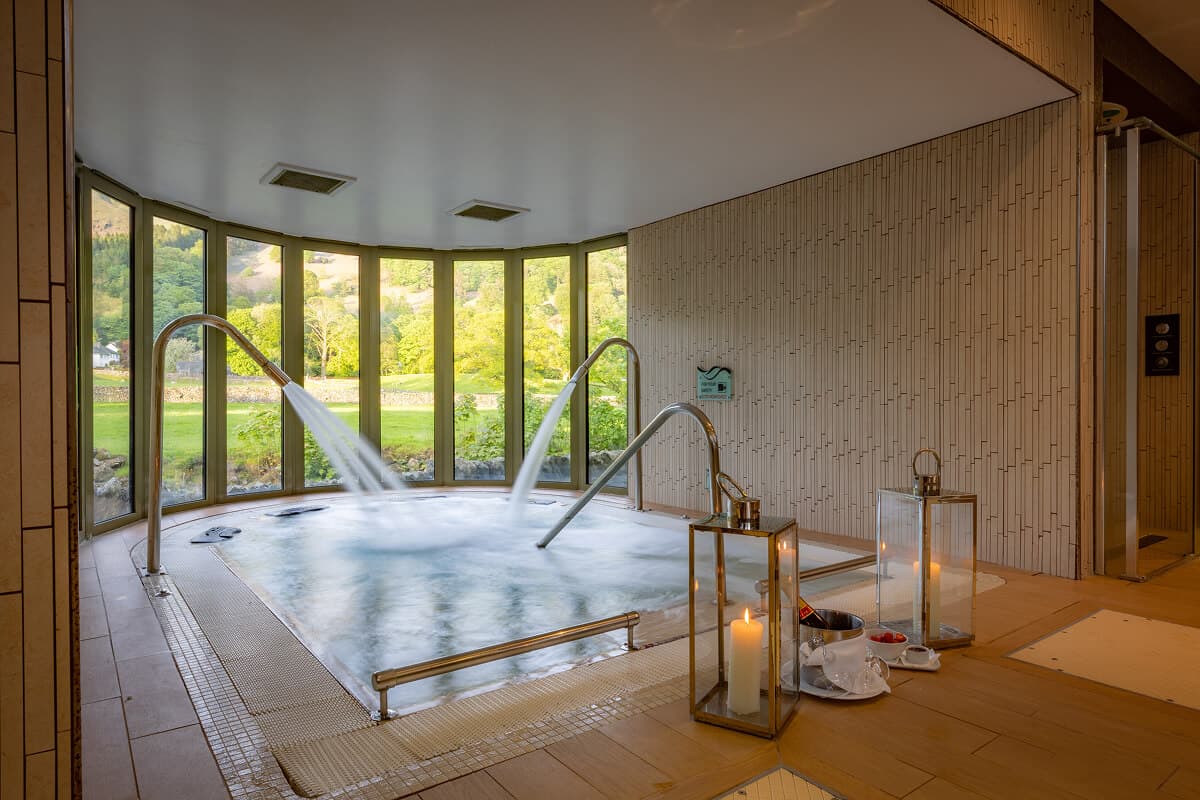
The outdoor jacuzzi overlooks River Leven and is worth using before your treatment. Warm water immersion before a massage primes circulation and softens surface tissue in the same way a thermal suite does at larger facilities.
The Seasonal Case for Hot Stone
The Lake District averages around 2,000 millimetres of rainfall annually in the central fells, and autumn and winter days regularly sit at 5 to 10°C. After a walk in these conditions, muscles are cold, circulation is reduced, and standard Swedish strokes take longer to produce the same results. Hot stone works faster in cold conditions because the heat addresses reduced blood flow and cold muscle tissue directly, not just the surface layer.